

Introduction
Dark Tourism is no longer a fringe curiosity. For millions of travelers, visiting sites associated with death, tragedy, suffering, or the supernatural is a way to connect with history in a visceral, memorable manner. In the UK, heritage travel often centers on haunted castles, medieval dungeons, and battlefields where centuries of legend and lore still linger. heritage travel is not about glorifying suffering; it is about understanding the past, confronting uncomfortable truths, and appreciating the resilience of communities that endured hardship. When done respectfully, heritage travel blends education, remembrance, reflection, and adventure in a unique package.
heritage travel in the UK carries a particular flavor because so many castles have deep, often violent histories. From the Tower of London to ruined fortresses in the countryside, these places have witnessed executions, sieges, imprisonment, and alleged hauntings. Travelers are drawn to the atmosphere, the stories, and the sense of walking through time. heritage travel also appeals to those interested in military history, folklore, and architecture. It allows a person to stand where monarchs fell or where soldiers once fought. The experience is moving precisely because it resists sanitized storytelling.
Still, heritage travel needs a thoughtful approach. It demands respect for victims, for sacred spaces, and for local communities that live near these historic sites. It requires visitors to read signs, follow rules, and recognize that entertainment should never overshadow empathy. Good heritage travel operators and heritage custodians emphasize accuracy, sensitivity, and conservation. When travelers embrace those values, heritage travel becomes a powerful way to learn and reflect rather than mere thrill-seeking.

What Is heritage travel?
heritage travel refers to travel to places historically associated with death, tragedy, suffering, or the macabre. It includes visits to former prisons, execution sites, battlefields, and allegedly haunted buildings. In its best form, heritage travel commemorates and educates. It can honor victims, encourage reflection on human nature, and support preservation of historic sites. Poorly handled heritage travel, by contrast, sensationalizes trauma and disrespects memory. The difference lies in intent, presentation, and visitor behavior.
The Difference Between heritage travel and Thrill-Seeking
heritage travel is sometimes misunderstood as simply seeking scares. While some tours use spooky atmospheres, the core differs. heritage travel aims to deepen understanding of events, ethics, and consequences. Thrill-seeking may focus on adrenaline and fear alone. A candle-lit castle tour that explains the history of a siege and the human cost may be heritage travel; a haunted house designed only for jumps and scares is entertainment. Both can be enjoyable, but heritage travel carries responsibility.
Why Castles Matter in heritage travel
Castles are natural anchors for heritage travel because they were built for conflict and power, not comfort. Many UK castles date to the Norman era and beyond, carrying centuries of sieges, imprisonments, executions, and domestic drama. heritage travel leans into those layered narratives. Walking ramparts, dungeons, and chapels creates a tactile connection to past fear and fortitude. Castles also survive as impressive architecture, where atmosphere and history intertwine. That combination makes them ideal destinations for heritage travel.
Why People Visit Dark Sites
People engage in heritage travel for varied reasons. Some seek education, wanting to understand wars, crimes, or social crises. Others seek remembrance, paying respects to victims. Many are drawn by folklore or ghost legends that add mystery. heritage travel also appeals to travelers tired of glossy itineraries. It offers honesty and gravity, contrasting with staged smiles. Additionally, heritage travel can be a way to process grief or anxiety, as confronting darkness sometimes reduces fear of the unknown.
Psychologists note that heritage travel can satisfy a universal desire to connect with danger safely. Standing where tragedy struck, while retaining modern comforts, creates controlled discomfort that can be cathartic. heritage travel also provides narrative satisfaction: a beginning, conflict, and context. For many, it is not about macabre voyeurism but about making sense of humanity’s extremes.
Ethical Considerations in heritage travel
Ethics are non-negotiable. heritage travel should never exploit suffering or trivialize grief. Visitors should avoid jokes, disrespect, or inappropriate behavior at sensitive sites. Photography may be restricted; follow rules strictly. When heritage travel involves mass graves, memorials, or sacred spaces, silence and humility matter. Economic benefits should support conservation and communities, not just profit from tragedy. Choosing operators that emphasize education and community involvement ensures heritage travel leaves a positive footprint.
Consent and context matter too. Reenactments and theatrical tours can be powerful, but they should not blur lines between respectful interpretation and sensationalism. heritage travel should acknowledge uncertainty, especially in ghost stories that blend folklore and fact. Good programs clearly distinguish documented history from legend. Visitors who research in advance can better appreciate both dimensions without confusing them.

6 Best UK Castles for heritage travel
Many UK castles are associated with spooky reputations. The following six offer compelling heritage travel experiences through history, architecture, and often ghost lore. Each can be part of a respectful itinerary. heritage travel works best when you research ahead and choose guided tours that prioritize authenticity.
1. The Tower of London
The Tower of London is the crown jewel (pun intended) of UK heritage travel. It served as a royal palace, fortress, and prison, with famous executions including Anne Boleyn and Lady Jane Grey. heritage travel at the Tower includes the Bloody Tower, Traitors’ Gate, and execution sites. Guards and guides recount gruesome stories with historical context. Night tours and special events deepen the experience. heritage travel here reminds visitors of political intrigue, power, and the human cost of monarchy. Arrive early to manage crowds and use official guides for best context.
2. Edinburgh Castle
Edinburgh Castle dominates Scotland’s capital and has deep dark tourism credentials. It housed prisoners, soldiers, and royalty. Tales of Jacobite sieges, bloodshed, and phantom pipers give it a spooky reputation. Dark tourism visitors often focus on dungeons, the Mons Meg cannon, and the One O’Clock Gun. Night photography and city views from the esplanade add atmosphere. The castle’s proximity to the Old Town’s closes (narrow alleys) makes it part of a broader dark tourism route through Edinburgh’s history of witch trials, plague, and punishment.
3. Warwick Castle
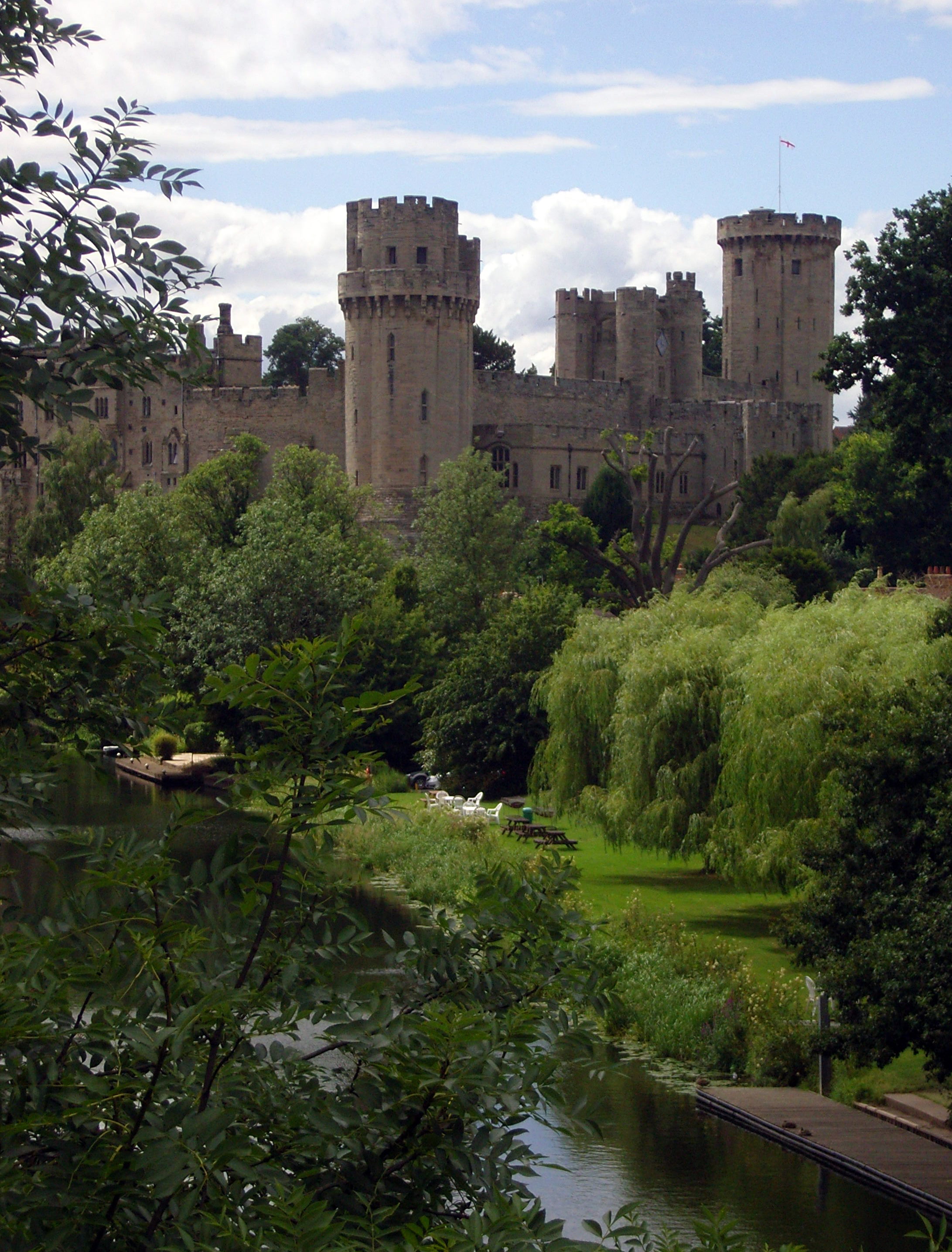
Warwick Castle blends theatrical dark tourism with genuine medieval history. Its dungeon attractions explore torture, crime, and punishment, while the castle’s architecture reveals centuries of warfare. Dark tourism visitors can explore towers, battlements, and ghostly tales tied to the site. The castle manages to be family-friendly while not shying away from grim realities. For better historical depth, choose audio guides and daytime visits; saved evening events cater to atmosphere more than deep education. Warwick illustrates how dark tourism can mix conservation, entertainment, and narrative.
4. Windsor Castle
Windsor Castle’s dark tourism appeal stems from royal drama, imprisonment, and the massive 1992 fire that damaged the State Apartments. Ghost stories tied to Henry VIII and other monarchs add mystique. Dark tourism here is more subdued, focusing on history, architecture, and conservation. The castle’s solemnity suits respectful visits. Dark tourism travelers should note that some sections are active royal residences, so rules and access vary. Guided tours deliver rich context, and coupling Windsor with Eton and nearby historic sites rounds out the narrative.
5. Corfe Castle
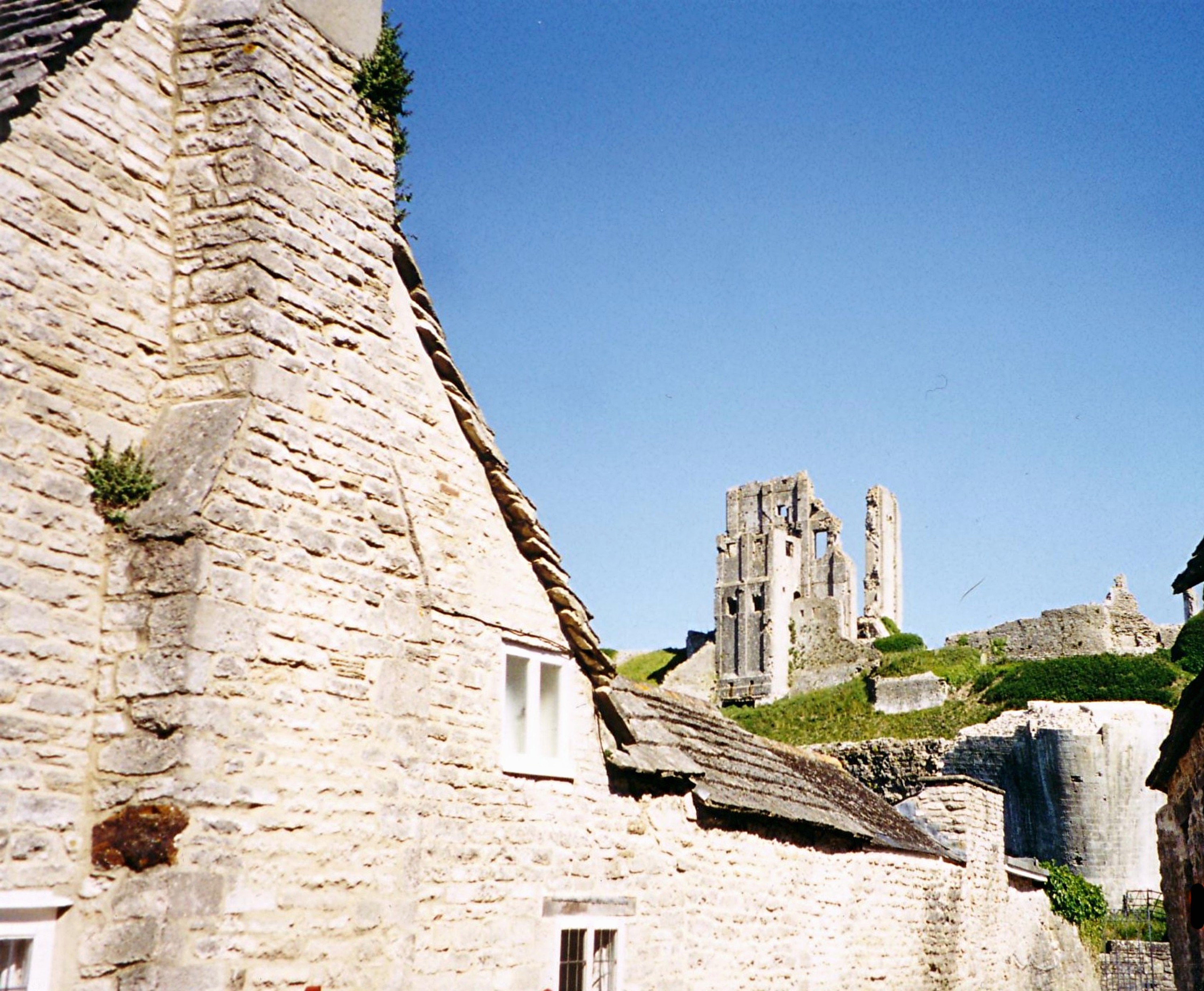
Ruined Corfe Castle offers perhaps the most atmospheric dark tourism among ruins. Destroyed during the English Civil War, its dramatic remains loom over the Dorset landscape. Dark tourism visitors enjoy the jagged walls, undercrofts, and tales of Royalist Lady Bankes’ defense. The site feels raw and melancholic, especially at dawn or dusk. Because much of the castle is open ruins, dark tourism here is about imagination and history in equal measure. Interpretation boards and volunteers provide strong context, and the surrounding village adds charm to the journey.
6. Pendragon? Castle Abergavenny? – Alnwick? Chillingham Castle
For a properly spooky reputation, Chillingham Castle in Northumberland stands out. It markets itself through ghost tours and alleged hauntings but also offers authentic medieval architecture and gardens. Dark tourism here leans into sensation but still benefits from guided history. Visitors can explore dungeons, torture exhibitions, and legends of the Blue Boy. Dark tourism scholars debate such sites, yet they undeniably preserve history and fund upkeep. Go with an open but critical mind, and prioritize operators that balance story and evidence.
Planning a Night Visit
Night visits amplify dark tourism. Lantern-lit tours, candle-lit corridors, and shadowed courtyards create mood and immersion. To plan well, check official schedules and book early, as night tours sell out. Dress warmly, wear sturdy shoes, and bring minimal gear. Dark tourism at night also raises safety considerations: steps, cobblestones, and uneven ground. Respect time limits and avoid wandering off-route. Many sites enforce strict access and exits to protect artifacts and visitors.
Consider your tolerance for fear. Some dark tourism night tours include intense theatrical elements; others remain educational. Read reviews and choose based on your preferences. If you’re sensitive to crowds or noise, smaller group tours may suit better. Planning ahead makes the experience calmer and more meaningful. Dark tourism works best when you’re comfortable enough to absorb stories rather than simply react.
What to Expect on a Dark Tourism Castle Visit
Expect a mix of history, atmosphere, and sometimes theatrical storytelling. You may encounter costumed guides, candlelight, sound effects, and curated scares alongside serious historical content. Dark tourism visits often take longer than daytime tours because storytelling pauses at key locations. Accessibility varies; ask before booking. Facilities like gift shops and cafes may operate limited hours at night, so eat beforehand. Dark tourism is not about running from attraction to attraction; it is about standing, listening, and imagining.
You can also expect emotional responses. Dark tourism often involves tales of violence and injustice. Pausing at memorial plaques or execution sites may feel heavy. That is normal and, in many ways, the point. Dark tourism invites empathy and reflection. Allow yourself time to feel without rushing to the next photo opportunity.
How to Be a Respectful Dark Tourism Guest
Respect is the defining requirement of good dark tourism. Follow site rules, silence phones, and avoid disruptive behavior. Do not touch artifacts or climb on walls. Ask permission before photographing. Avoid insensitive selfies at solemn locations. Listen critically to claims, and appreciate nuance. Dark tourism should leave positive economic and cultural impact. Support preservation by buying tickets, donating, or recommending sites responsibly. If a tour feels exploitative, choose different operators and give feedback.
Respect also extends to local residents and staff. Castles often sit within living communities. Keep noise down, follow parking rules, and be considerate in pubs and shops. Dark tourism travelers who behave well help maintain goodwill and ensure continued access. Additionally, learning basic site history before arrival shows respect for the place and improves your experience. A little homework enhances dark tourism by deepening context.
Photography and Storytelling Ethics
Photography during dark tourism can be powerful but should be handled ethically. Many sites restrict flash photography; comply. Avoid posing dramatically at memorials or in dungeons; such behavior trivializes suffering. Instead, capture architecture, plaques, and light. Storytelling on social media should be truthful and sensitive. Dark tourism deserves accurate captions and careful framing. If a site requests no photography, honor that request. Respect matters more than content.
Accessibility and Inclusivity
Not all dark tourism experiences are accessible. Castles have steep stairs, uneven floors, and limited elevators. Before booking, inquire about accessible routes, audio descriptions, and seating. Dark tourism should aim to include diverse visitors. Many operators now provide accessibility info and adjusted tours. Clear expectations help travelers choose appropriately and enjoy the experience without frustration.
Suggested Itineraries and Pacing
For a strong dark tourism weekend, pair the Tower of London with maritime or East End history; spend the next day at Windsor; then head north to Warwick or Chillingham. Pacing matters. Dark tourism can be heavy, so alternate intense sites with lighter experiences. Leave time for meals and reflection. A rushed schedule undermines the emotional depth that dark tourism can provide. Plan transport in advance, and allow margin for crowds, weather, and maintenance closures.
Consider pairing dark tourism sites with museums. A castle visit gains depth when followed by an exhibit explaining daily life, punishment, or warfare of the period. Dark tourism thrives on context, and museums excel at providing that. Combining atmosphere with scholarship creates a balanced, rewarding trip.
Frequently Asked Questions
Is dark tourism appropriate for children?
Some dark tourism content is intense. Families should choose age-appropriate programs, read descriptions carefully, and prepare children. Many castle sites offer educational tours suitable for older kids. Dark tourism can be a valuable history lesson when matched to maturity.
Are ghost tours accurate history?
They vary. Dark tourism programs range from scholarly to theatrical. Look for tours that cite evidence and balance legend with documented facts. Reading reviews helps you choose.
Can dark tourism be sustainable?
Yes, when visitors follow rules and spend money locally. Dark tourism can fund conservation and support community jobs. Choose official operators and donate where appropriate to ensure a positive legacy.
What should I bring?
For dark tourism, bring comfortable shoes, layers, water, and a sense of respect. Avoid carrying large bags that slow movement and block views in narrow passages.
For official site information, event listings, and conservation details, explore resources from English Heritage and local tourist boards before planning your dark tourism route.
Reflection and Remembrance
Visiting sites tied to tragedy should leave space for reflection. Dark tourism is at its best when it invites contemplation, not performance. Take time to read interpretive panels, observe memorial plaques, and absorb the atmosphere without rushing. Photography can document, but it should never replace presence. Some visitors find journaling helpful; recording thoughts on-site can deepen the experience and support memory over time.
Respect extends beyond behavior. Understanding context—social, political, and human—enriches what you see. Listen to guides, read ahead, and remain open to uncomfortable truths. heritage travel thrives on humility, not superiority. Whether you are exploring medieval punishments or wartime ruins, recognize the privilege of safety and the importance of empathy. These habits transform a sightseeing trip into a meaningful encounter with history.
After the visit, share responsibly. Describe what you learned, not just what you saw. Encourage friends to visit with respect. Dark tourism benefits from informed ambassadors who value preservation and education. By treating castles and monuments as living memory, you help sustain them for future generations while honoring those who came before.
Conclusion
In summary, dark tourism offers a unique window into history, folklore, and human nature. The UK’s haunted and battle-scarred castles provide powerful dark tourism experiences where atmosphere and fact intertwine. When approached respectfully, dark tourism can educate, commemorate, and inspire reflection. Choose thoughtful tours, follow site rules, and let stories deepen your understanding rather than merely thrill. Safe travels, and explore the shadows with curiosity and care.
If you are refining a broader UK itinerary, a guide like Washington DC travel planning ideas shows how to mix cultural highlights with darker historical themes.
Final Call to Action
Ready to plan your own dark tourism adventure? Research official castle tours, choose experiences that balance history with atmosphere, and explore the UK’s castles with both curiosity and respect. Dark tourism awaits—discover it well.